Padel Rackets
Find Padel rackets across brands. Whether you are looking for beginner padel racket or are a professional looking for that next racket that could give you the edge. Use the filters to get what you are looking for.
Showing 1–12 of 30 resultsSorted by popularity
Filter-
Padel Rackets
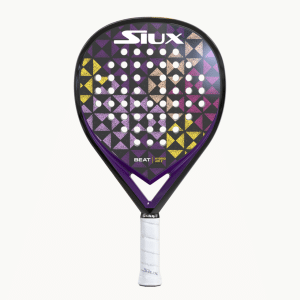
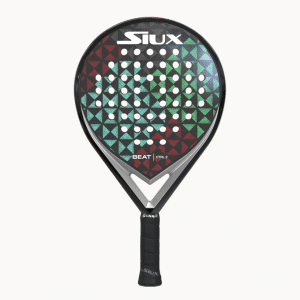
SIUX BEAT CONTROL 2 Padel Racket
£90.00Original price was: £90.00.£51.00Current price is: £51.00. Inc VAT Add to cart -
Padel Rackets
Siux Beat Hybrid Air 2 Padel Racket
£90.00Original price was: £90.00.£51.00Current price is: £51.00. Inc VAT Add to cart -
Padel Rackets
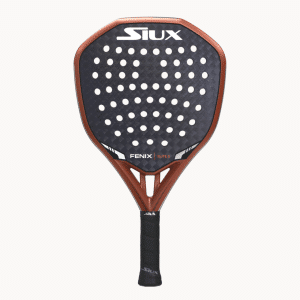
SIUX FENIX ELITE 5 Padel Racket
£195.00Original price was: £195.00.£134.00Current price is: £134.00. Inc VAT Add to cart -
Padel Rackets
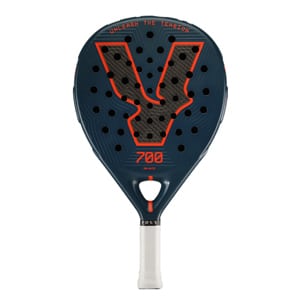
Volt 800 Padel Racket
£250.00Original price was: £250.00.£189.00Current price is: £189.00. Inc VAT Add to cart -
Padel Rackets
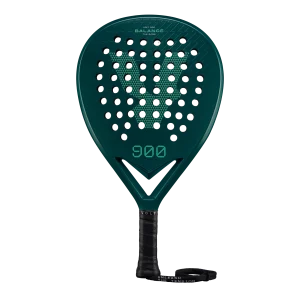
Volt 900 V4 Padel Racket
£280.00Original price was: £280.00.£181.00Current price is: £181.00. Inc VAT Add to cart -
Padel Rackets
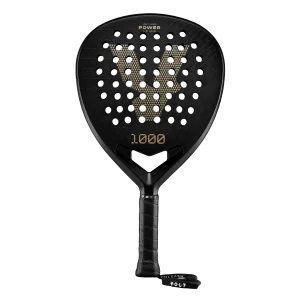
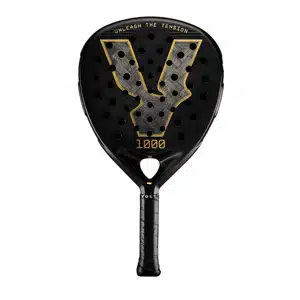
Volt 1000 V4 Padel Racket
£290.00Original price was: £290.00.£175.00Current price is: £175.00. Inc VAT Add to cart -
Padel Rackets
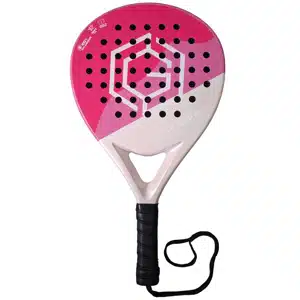
Golden Padel Power Premium Bundle
£169.99Original price was: £169.99.£124.99Current price is: £124.99. Inc VAT Add to cart -
Padel Rackets
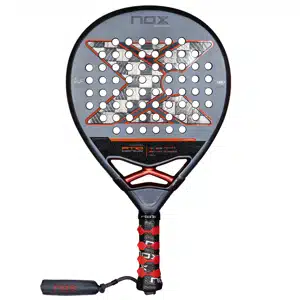
NOX AT10 Genius 18K Alum By Agustin Tapia Padel Racket (2025)
£179.00 Inc VAT Add to cart -
Padel Rackets
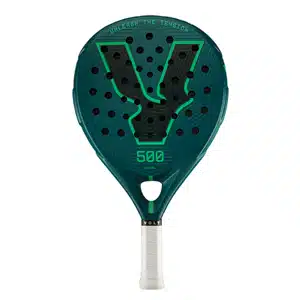
Volt 500 V5 Padel Racket
£229.95Original price was: £229.95.£185.95Current price is: £185.95. Inc VAT Add to cart -
Padel Rackets
Volt 1000 V5 Padel Racket
£295.00Original price was: £295.00.£245.95Current price is: £245.95. Inc VAT Read more
While the definition of best padel racket differs from player to player, The selection of a padel racket is the single most critical equipment decision a player will make, directly influencing performance, comfort, and skill development. A comprehensive understanding of a racket’s core technical attributes is essential to move beyond brand marketing and make an informed choice. The performance of any padel racket is governed by a consistent set of technical pillars: its shape, the materials used in its construction, the density of its internal core, and its overall weight and balance. Each of these elements has a direct and predictable impact on how the racket feels and plays on the court.
Padel Racket Shapes
The shape of the racket head is the primary determinant of its inherent balance between power and control. It also means a racket shape for beginner may not be the same for a professional player. There are three principal geometries:
- Round: This shape offers the highest degree of control. It features a large, centrally located sweet spot, making it exceptionally forgiving on off-centre hits. The balance is typically low (head-light), which enhances maneuverability and makes it the ideal choice for beginners and defensive-minded players who prioritise precision and placement.
- Diamond: Engineered for maximum power, the diamond shape has a smaller sweet spot located higher up on the racket face. This configuration, combined with a high (head-heavy) balance, allows advanced players to generate explosive force, particularly on overhead shots like the smash. However, it is less forgiving and requires precise technique to master.
- Teardrop (or Hybrid): Occupying the middle ground, the teardrop shape provides a versatile blend of power and control. Its sweet spot is positioned slightly above the centre, and it typically has a medium balance, making it a popular choice for intermediate and all-round players who require adaptability in their game.
Padel Racket Materials
The materials used for the racket’s face and frame dictate its stiffness, feel, and durability. The two primary materials are fibreglass and carbon fibre. Fibreglass is a softer, more flexible material that provides a comfortable feel and greater ball output, meaning the ball rebounds more easily off the racket face. This makes it suitable for beginners and players who may suffer from arm injuries like tennis elbow. In contrast, carbon fibre is a firmer, more rigid material that offers superior durability and power. It is often designated by the number of filaments per thread (e.g., 3K, 12K, 18K), with higher numbers not always indicating greater stiffness, as the weave and resin used are also critical factors. Carbon is the material of choice for intermediate and advanced rackets where responsiveness and power are paramount.
Padel Racket Core Materials
The internal core of the racket, typically made from Ethylene Vinyl Acetate (EVA) foam, is crucial for feel and shock absorption. The density of this foam varies, with “soft” EVA providing more comfort, a larger sweet spot, and a “trampoline effect” for easier power on slower shots. “Hard” EVA offers more control and power on high-speed shots for players who generate their own pace, but it transmits more vibrations and has a smaller sweet spot. Some brands, like Bullpadel, utilise proprietary dual-density cores such as Multieva to combine the benefits of both.
Weight and Balance
Finally, weight and balance are fundamental to a racket’s handling. Adult rackets typically weigh between 350 g and 375 g, though specialised models like the Head One Ultralight can be as light as 300 g. Lighter rackets offer superior maneuverability for faster reactions at the net, while heavier rackets provide more stability and power from the back of the court. The balance point further refines this dynamic: a head-light balance enhances control, a head-heavy balance increases power, and an even balance provides a versatile compromise.